
10 Ways to Heal from Empathy Burnout

Published November , 2026
Do you care so much that you feel empty? You help. You listen. You give and give. Then one day, you feel tired inside. This is empathy burnout. Some people call it empathy exhaustion. It can happen to anyone who cares a lot. Nurses, parents, friends, and teachers feel it too.
The good news is this: you can heal. You do not have to stop caring. You only need to care for you, too. Your heart needs rest, just like your body does. In this guide, you will learn 10 simple ways to feel strong again. Let’s start right now.
1. Notice the Warning Signs Early
Your body tells you when it is full. Do you feel tired after you talk with people? Do you feel numb or cranky? Maybe you get headaches or sore muscles. These are signs of empathy burnout. Some people call it empathy exhaustion. Look for these clues:
- You feel empty after helping
- You get mad over small things
- You pull away from people
- You cannot focus
Do not wait until you feel awful. The sooner you see the signs, the faster you can heal. Write down what you notice this week. Then pick one way from this list to try now.
2. Say No Without Feeling Bad
Here is a bold thought: saying no is a kind thing to do. When you say yes to everything, you have nothing left to give. Then no one gets your best. Try short, calm words. “I can’t talk now, but I can on Friday.” Or, “I wish I could, but I need rest.” You do not need a big reason.
A good friend will get it. At first, you may feel guilty. That is normal. It gets easier each time. Your time and your energy are worth guarding. Think of it like a fence around a garden. Say it with love.
3. Take Tiny Breaks Each Day
You do not need a long trip to feel better. Small breaks add up. Try one of these between hard chats:
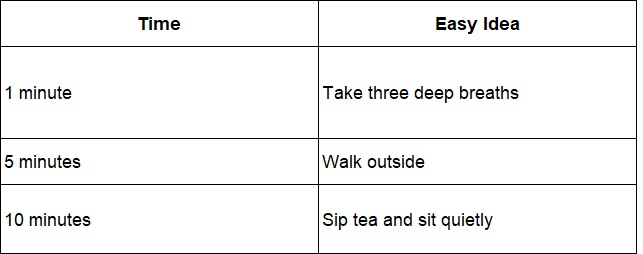
Set a timer if you forget. Put your phone down for a bit. Your mind needs space to reset. Think of a break like a nap for your heart. Even a short one helps you fill back up. Breaks are not lazy. They are how strong helpers stay strong. Plan three breaks today. Write them on a sticky note.
4. Fill Your Own Cup First
You may have heard this saying: you can’t pour from an empty cup. It is true. If you give and give, your cup runs dry. So fill it first. What fills your cup? Maybe it is a hot meal, a good song, or a hug from your dog. Make a list of five things that make you feel full. Do one each day.
This is not selfish. It is how you keep helping others for a long time. Caring for you is part of caring for them. Put your list on the fridge. Look at it when you feel low.
5. Move Your Body and Rest Well
Stress lives in the body. Moving helps it leave. You do not need a gym. Dance in the kitchen. Stretch your arms. Walk around the block. Sleep matters just as much. A tired body makes feelings feel bigger. Try to go to bed at the same time each night.
Turn off screens for one hour before bed. Eat food that makes you feel good, too. Drink water. These small acts may sound plain, but they give you real strength. When your body feels safe and rested, your heart can handle more. This helps with empathy exhaustion more than you think.
6. Care with Your Head, Not Just Your Heart
Here is a surprise: you do not have to feel everyone’s pain to help. Empathy means you feel what others feel. That can hurt a lot. Compassion is different. With compassion, you care and want to help, but you do not take on their pain.
Think of it as standing next to someone in the rain with an umbrella, not standing in the puddle with them. Try saying, “I am sorry this is hard. I am here.” You still care deeply. You just keep your own feet dry. This is how you heal from empathy burnout and keep your heart.
7. Talk to People Who Get It
Picture Mia, a nurse. For months, she told no one how tired she felt. She thought she had to be strong. One day, she told a friend at work. Her friend said, “Me too.” Mia cried, then smiled. She felt so light. Talking helped her feel less alone. Who in your life gets it?
Call a friend, join a group online, or chat with a coworker. You do not have to hold it all by yourself. Sharing a heavy load makes it lighter, and it helps empathy burnout fade. Many helpers feel this way too. It is okay.
8. Try Simple Calm Tools
When your mind feels loud, a calm tool can help. Try these:
- Breathe in for four counts, then out for six
- Name five things you can see
- Use an app like Insight Timer to sit in quiet
- Write your feelings in a notebook
- Listen to soft music
Pick the one that feels easy. Use it before a hard talk and after one. Practice when you feel okay, so it works when you do not. Over time, these tools help you stay steady, even on tough days. Think of them as a toolbox for your heart. Keep them close.
9. Do Things That Make You Smile
Joy is medicine for a tired heart. Make time for fun, even when you are busy. What did you love as a kid? Maybe you drew, played ball, or built things. Do it again. Spend time in nature. Pet an animal. Laugh at a silly video. Bake something warm.
These happy moments are not a waste of time. They remind your heart what feels good. Plan one fun thing each week and put it on your calendar like a big meeting. When you feel joy, your caring grows back stronger. Fun is part of healing, not a prize for later.
10. Get Help from a Therapist
Sometimes you need more than self-help, and that is okay. If empathy exhaustion lasts for weeks, talk to a therapist. They can teach you new skills, listen without judging, and help you build a plan. Look for someone who works with burnout or stress.
You can meet in person or online. Ask for help if you feel very sad, hopeless, or numb for a long time. Asking is a sign of strength. In a crisis, call or text 988 in the U.S. You deserve care, too, just like the people you help. Healing takes time, so be kind to yourself.
FAQs
How to recover from empathy burnout?
Start with rest, clear limits, and small breaks each day. Talk to someone you trust or a therapist if the tired feeling does not go away.
How to regain empathy?
Give your heart time to rest first, because empathy comes back when you feel safe and full again. Then do small kind acts, like listening for five minutes, and build up slowly.
What are some strategies for managing compassion fatigue?
Say no when you are full, take short breaks, and do things that make you smile. Share your feelings with a friend or a counselor so you do not carry it alone.
What is the difference between burnout and compassion fatigue?
Burnout comes from too much stress or work over a long time, and it can happen in any job. Compassion fatigue comes from caring for people who are hurting, like patients or those who lived through trauma, so you feel numb or drained.
What is the 42% rule for burnout?
The 42% rule comes from sisters Emily and Amelia Nagoski, who say people need about 10 hours of rest out of every 24. You do not need to rest that much every day, but you should balance it out over several days.
Final Thoughts
Healing from empathy burnout takes time, and that is okay. You do not have to stop caring. You need to care for yourself, too. Rest, set limits, and ask for help when empathy exhaustion feels heavy. Caring can be a joy when you stay full.
At Our Father’s House Soup Kitchen in Pompano Beach, caring is what we do. We serve a hot meal to 160 to 200 people, five days a week. Our helpers and volunteers know that kind hearts need rest, too. Take care of you, then keep sharing your light. Want to help? Visit our donations page.
Donate To The Poor & Homeless Of South Florida
Our Father’s House Soup Kitchen has fed the poor and homeless in South Florida over 900,000 hot meals since 1993. Our tax deductible non profit organization also accepts and distributes donations such as clothing, toiletries, shoes, bicycles, and more. You can donate to help the poor and homeless through our website.

Reviewed For Factual Accuracy
Our team meticulously fact-checks all website content before publishing. Discover more about our website’s editorial standard here and the dedication we uphold.

About The Author
Hi, I’m Julie Fortuna, a writer who loves teaching you about the work of Our Father’s House Soup Kitchen, a non-profit feeding the poor of South Florida. I write about the neighbors we serve, the volunteers who prepare and serve meals, and so much more.
Correct Digital is paid by private donors to provide website and marketing services to this non-profit organization.